

On Listening
Ears Matter

In his book, Poetry Unbound, poet and theologian Padraic Ó Tuama describes the following fantasy:
Every time I’m on a bus - which is quite often - I have this ridiculous fantasy. “If this bus were to break down, what would we all talk about?”
In reality, people would probably get on their phones, look up complaint forms, ask about toilets and make calls to explain they’d be late. In my fantasy however, people turn to each other for conversation. ‘Wha’s a before-and-after moment of your life?’ we could ask each other. And then we could listen.
When I sat with people as preparation for my book, Everyday Spirituality, I asked them variations on the question, “Tell me about a time God was more than just a word?” I then sat and listened. 70% of what I heard isn't in the book because the stories were so moving; I couldn't find a way to get them on a page. But what I learned more than anything is people’s yearning to tell their story to someone who would listen.
Listening to another person might be the greatest gift we can give.
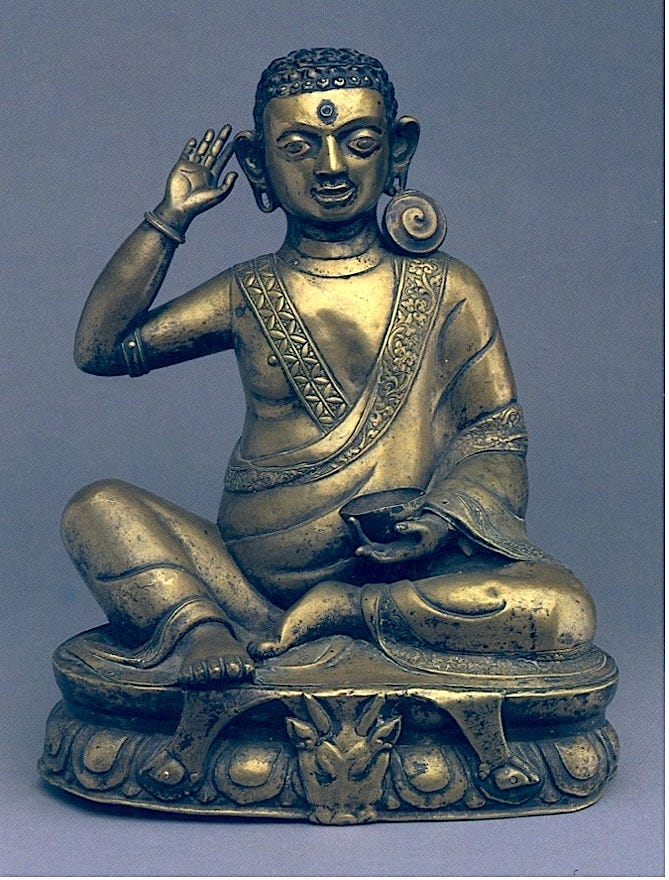
When asked after the famous BBC interview of 1959 to help produce a book that would present his thoughts about the soul in a more accessible way for the public, Carl Jung declined. But then he dreamt that ‘instead of sitting in his study and talking to the great doctors and psychiatrists who used to call on him from all over the world, he was standing in a public place and addressing a multitude of people who were listening to him with rapt attention and understanding what he said.’ It was then that Jung agreed to help introduce and edit Man and His Symbols, which anyone can now read. Not only did Jung dream, as everyone does, but he also listened carefully to the unconscious speaking through the imagery of his dreams and then responded with concrete actions to give their meaning reality. That is what is meant by ‘realization of the psyche,’ for which one first must have exceptional ears and the modern equivalent of extraordinary hearing.
“Let anyone with ears listen!” Jesus the Christ, Matthew 11:15
This topic of listening came to my attention last week while watching several interviews with Zoran Mahmdani, the newly elected mayor of New York City. As I write this, the political world is still buzzing from the White House meeting with President Trump and the incoming mayor. But that’s not what I want to discuss. Instead, I’d like to return to something Mamdani did last year. After Trump’s 2024 election, the soon-to-be mayor took to the streets of his neighborhood in Queens, NYC. Standing on street corners with a microphone, he asked his neighbors for whom they had voted and why. Since Trump had significantly increased his vote count in NYC, it seemed like an obvious move. But Mamdani was the only one who did it. He listened to people. What he learned is now common knowledge about the 2024 election: the affordability issue and the rising cost of living for working- and middle-class Americans. But this is not a newsletter covering campaigns.
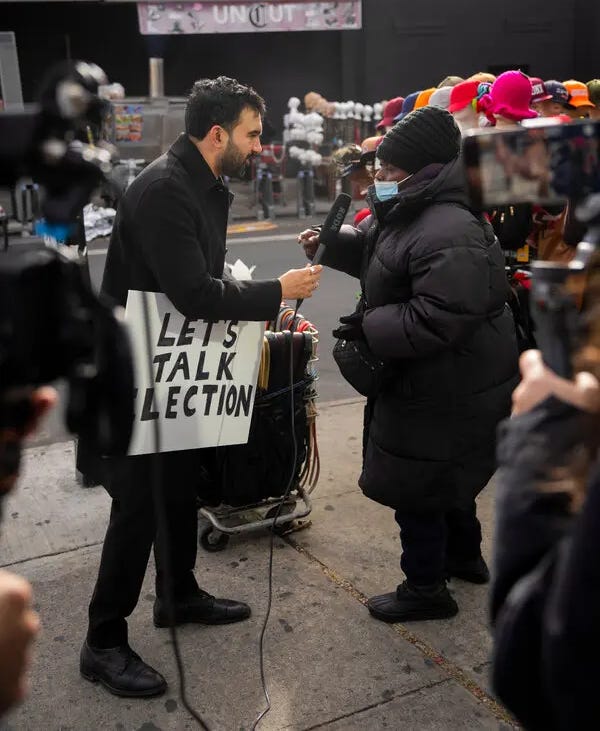
Instead, I want to highlight something obvious, simple, and yet rarely practiced: asking questions and genuinely listening. This applies to politicians, family members, therapists, ministry leaders, writers, photographers, and businesspeople - everyone. The act of asking questions and listening is essential, but the key is in genuine listening. Usually, questions are asked because we think we already know the answer or the category we want to place people in, so we don’t truly hear what they are saying.
Kay Lindahl wrote The Sacred Art of Listening, a kind of self-help devotional guide to practicing listening. It’s worth reading, but I mainly want to focus on the title, which suggests that listening is sacred. The gift of listening to someone without rushing to share our stories, our ideas, or our experiences can be, well, quite potent. It’s a gift, and if you try it, you’ll often find the other person quite moved and thankful.
This week, you’ll likely be with some friends or family for a Thanksgiving meal, at least here in the States. Might I suggest a small experiment? Try asking a question and listening. Simply listen!

If you’d like to carry out an act of gratitude this week of Thanksgiving, consider helping out one of the many hunger-related organizations in Gaza. Since the ceasefire announcement, donations have declined significantly. The reality is that hunger is still a significant problem in Gaza, so consider helping out. You can choose your own. I made my gift to Gaza Soup Kitchen.
Thank you
More to come,

James Hazelwood is an author and documentary photographer. His bestselling book is Everyday Spirituality, and his photography substack newsletter can be found here.
I appreciate your writing about the importance of listening, not just hearing.
Something I learned in Marriage Encounter about listening...
When the question has been asked, and the answer given, it isn't enough to be silently appreciative. The person will not necessarily know you deeply heard them unless you perhaps respond with a further question, or speaking back to them in some way that indicates that you not only heard their words, but heard their emotions, their yearnings, etc.